
Scholarship
Although I have always loved and have been fascinated by The Twilight Zone and the works of Rod Serling, I've never really done much in terms of academic scholarship. As some of you may already know, I am actually an early American literature specialist by trade. I primarily focus on what we would call the American Renaissance: Edgar Allan Poe, Nathaniel Hawthorne, Herman Melville, Emily Dickinson, etc. However, these authors shared a lot of similarities with Rod Serling's fascination with shadows, with what can be seen not only in the light but in the darkness as well. And so, I have made it a bit of a personal goal to try and build at least a modest body of scholarship on the works of Rod Serling and the Twilight Zone. I hope to use this page as a way of chronicling the triumphs and struggles along the way--and there will be struggles. I
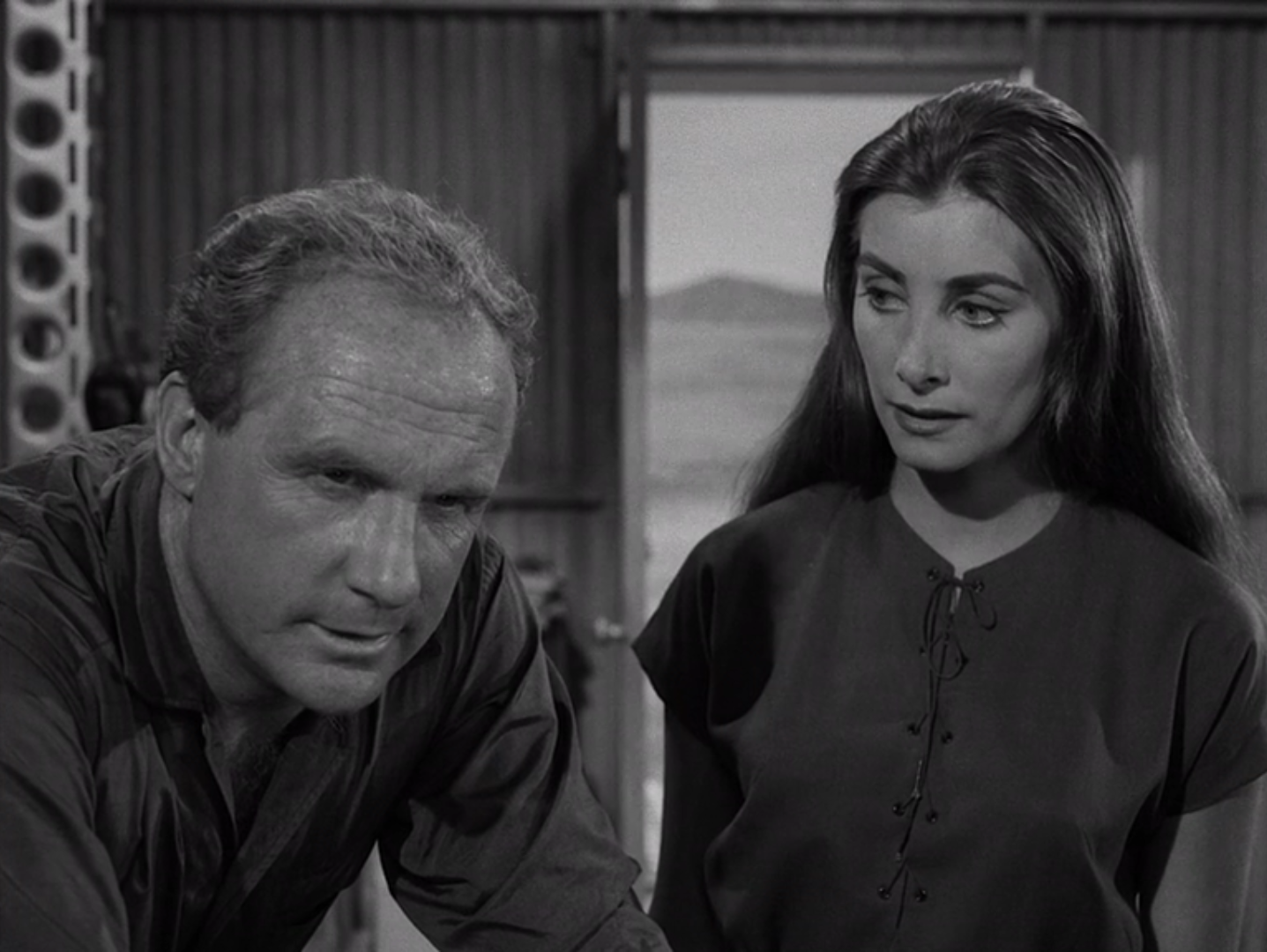
Thesis: Ultimately, what the episode seems to indicate through its primary non-biological character is that legitimacy can be construed through emotional embodiment and an affective psychological approach to the human-automaton relationship. :
Thesis: In this paper, I hope to use Narrative Exposure Therapy as a lens from which to better understand how the language in “First Squad, First Platoon” conveys Serling’s attempts to heal through narrative construction and by focusing on the necessary role the audience plays in his attempts to explore the value of emotional truth.